Strengthening Nigeria's Wheat Value Chain.

Project WHEAT-NESS is the national programme to optimise the wheat-based consumer foods value chain, lower costs, raise milling utilisation and build a self-renewing development fund for industry.
Explore the Programme
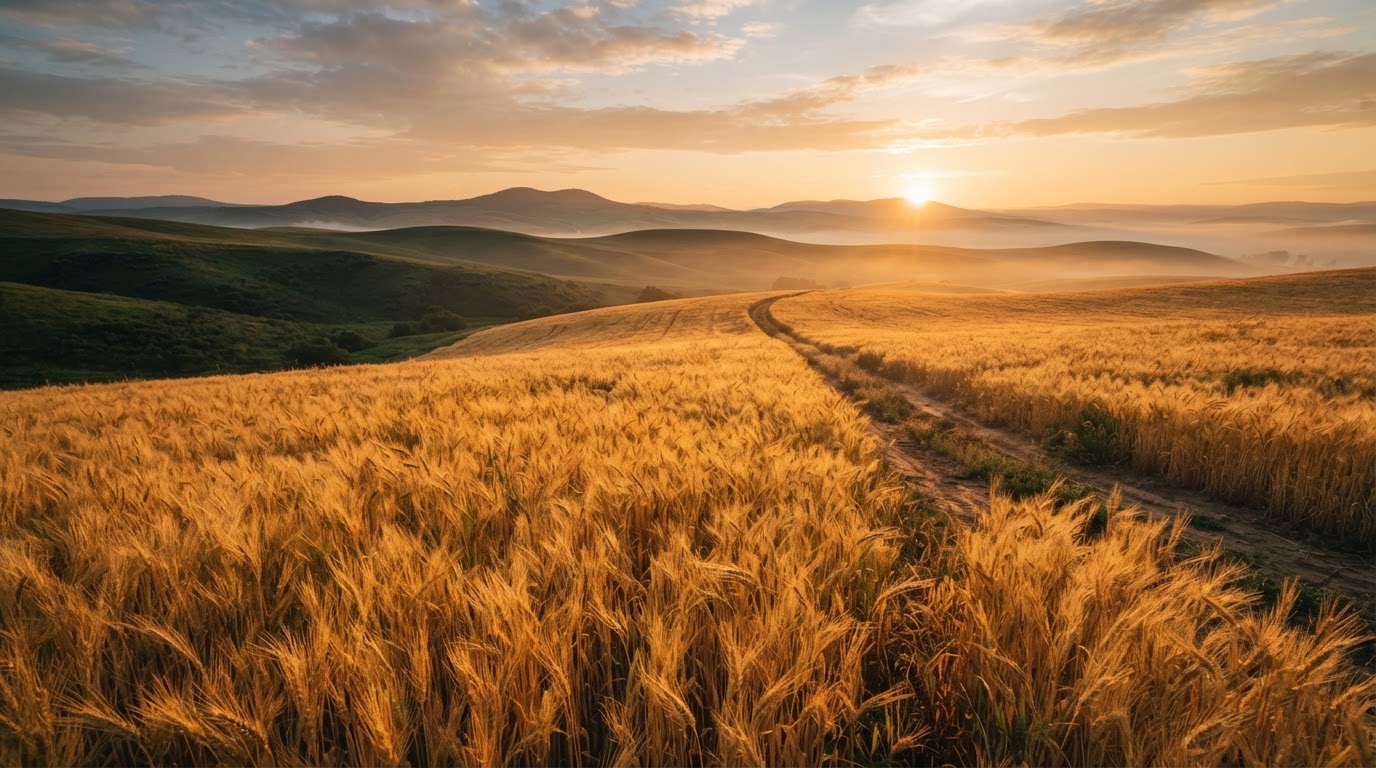
Golden wheat fields at sunrise across rolling hills
Nigeria consumes wheat at industrial scale, but produces almost none of it. An imbalance that shapes the price of bread, noodles, pasta and other staples.
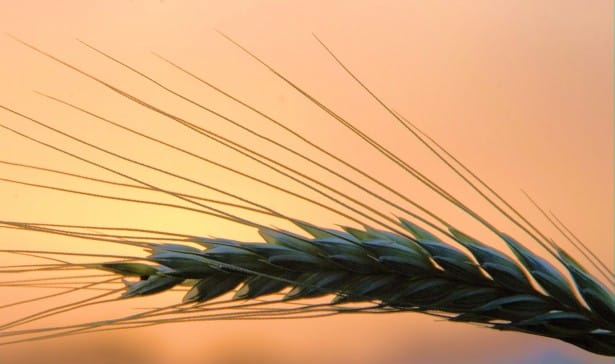
Wheat ears
~6.7m
MT
Wheat imported each year
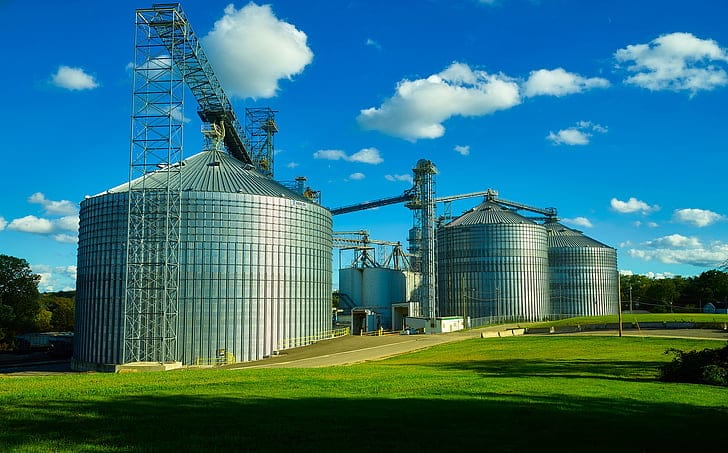
Grain silos
$3bn+ Annual import cost
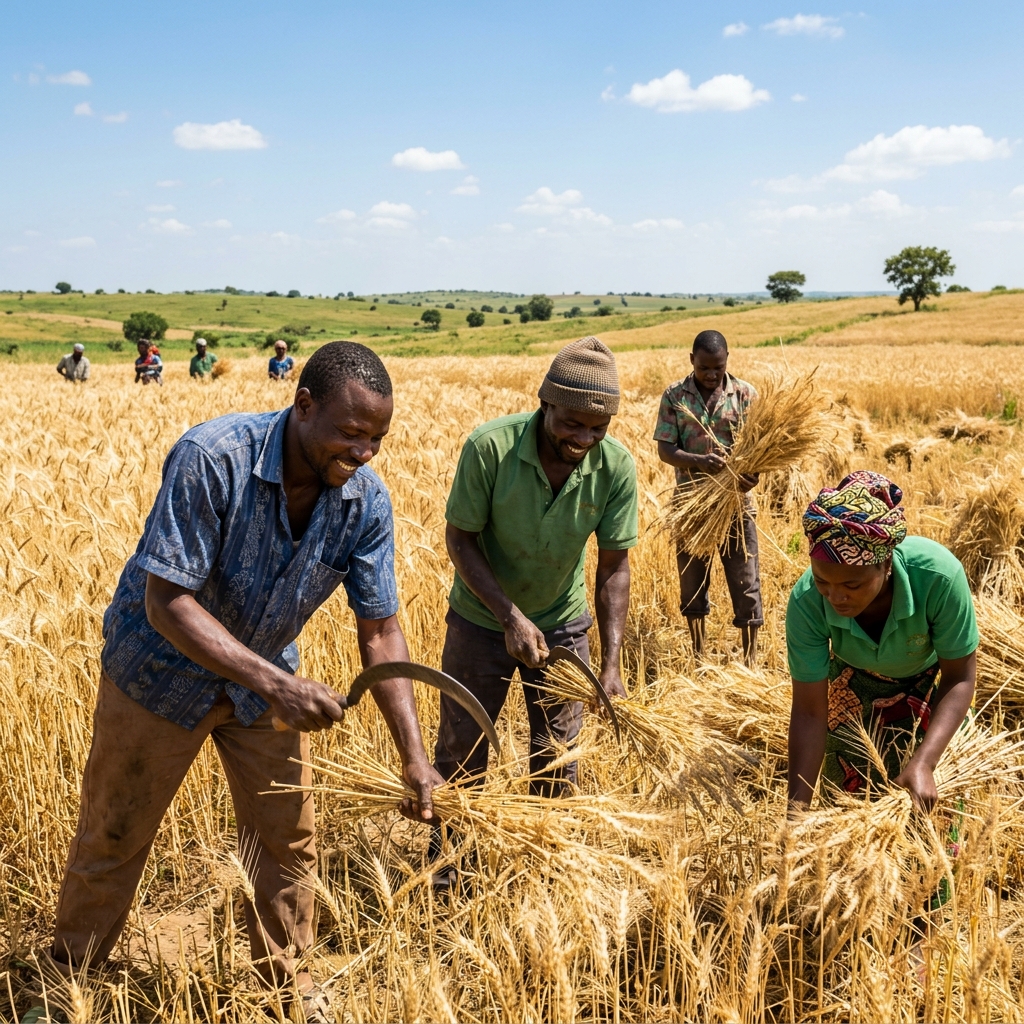
Farmers in the field
~135k
MT
Domestic production today
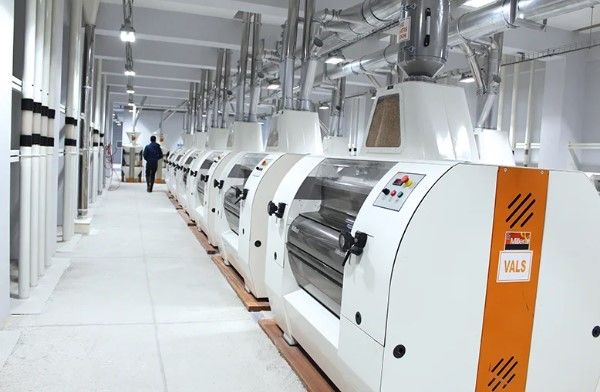
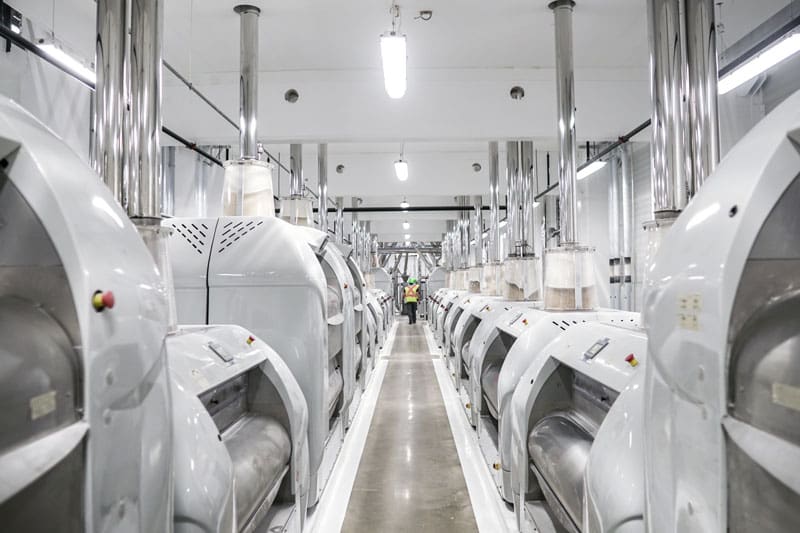
Flour mill
~50% Milling capacity utilised

About the Programme

What is Project WHEAT-NESS?

A Federal Government initiative to reset the economics of Nigeria's wheat value chain — raising milling capacity, cutting consumer costs and endowing a development fund that outlasts any single budget cycle.

Learn More

About the programme

Nigeria consumes wheat at industrial scale, but produces almost none of it.

The Challenge

The country imports around 6.7 million metric tonnes of wheat every year, at a cost of more than $3 billion. Domestic production stands at roughly 135,000 metric tonnes. That imbalance shapes the price of bread, noodles, pasta and other wheat-based staples in every market in the Federation.
The Challenge
The Evidence
The Consequence
The Intervention
Farmers working a cultivated field
Domestic supply ~135k MT Local harvest, national appetite. Domestic wheat production remains a fraction of national demand. Closing that gap is a long-horizon task.
Bakery counter
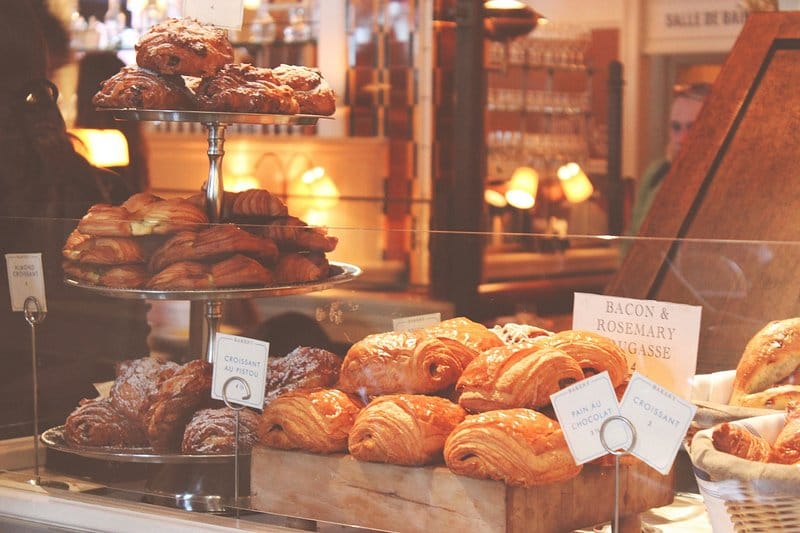
Market structure 72% Artisanal and SME baked goods. Most Nigerian baked goods are already made by small and mid-sized enterprises. Scaling them is how the programme reaches households.

What WHEAT-NESS does

Six core objectives, one industrial purpose.

The programme is built to raise idle capacity, ease consumer prices, expand MSME production and endow a fund that outlives any single budget cycle.

Improve input supplies & farming

Facilitate the supply of wheat and strengthen domestic farming production to reduce long-term import dependency and ensure a steady flow of raw materials.

Enhance grain storage

Develop and expand grain silo capacity to hold sourced wheat, buffering against market shocks and ensuring a more predictable supply chain.

Raise milling utilisation

Put idle mill capacity back to work through structured offtake partnerships and more predictable grain-to-flour flow. Raise milling utilisation to optimal, sustainable levels.

Scale MSMEs

Equip bakeries and wheat-food enterprises with flour access, enterprise support and a clearer route into formal markets.

Ease consumer costs

Target a sustainable reduction in the cost of selected wheat-based consumer foods through a more efficient chain, not a permanent subsidy.

Endow a development fund

Capitalise a self-renewing fund so the programme can keep financing value-chain activity after the first public allocation.

Financing architecture

Two tracks. One programme.

Delivery and capitalisation run together. One track does the work in mills, bakeries and markets. The other endows the fund that keeps that work possible.

Interior of an industrial flour mill

Direct Programme Activities

Operational work across milling, MSME production, logistics and consumer campaigning.

  • Structuring Value chain development
  • Providing Enterprise development support
  • Driving the Made-in-Nigeria campaign
Industrial grain storage facility

Fund Capitalisation

The financial spine of the programme: a self-renewing development fund designed to recycle capital into the chain.

  • Public seed capital, then private and institutional inflows
  • A fund that is intended to renew itself, not expire with a vote
  • Capital allocated against clear value-chain use cases

Governance

Governance Structure.

The programme reports through a clear institutional line.
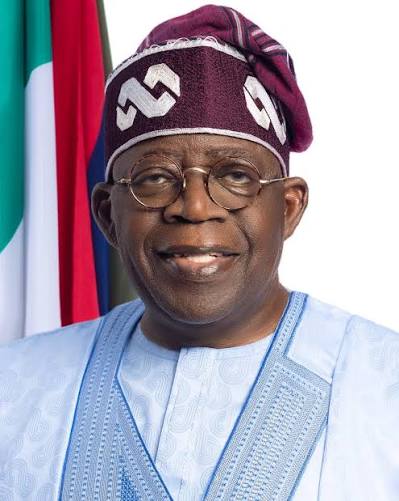
President Bola Ahmed Tinubu
President

H.E. Bola Ahmed Tinubu, GCFR

President, Federal Republic of Nigeria

Steering Committee

Chaired by the Honourable Minister of State for Industry, providing strategic leadership, policy guidance, and oversight of the Programme, and ensuring that all interventions remain aligned with national economic transformation goals.
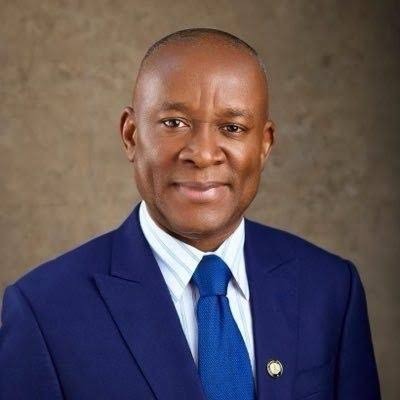
Senator John Owan Enoh
Chairman

Senator John Owan Enoh

Honourable Minister of State for Industry, Federal Ministry of Industry, Trade & Investment

Committee Members
  • Mr. Raymond Omachi (Member) Permanent Secretary (Finance), Ministry of Finance
  • Mr. Telta Naphtali David (Secretary) Deputy Director, Federal Department of Agriculture, Ministry of Agriculture
  • Mr. Eyo Asuquo (Member) Private Sector Representative
Programme Delivery Unit

Led by the Programme Coordinator, the PDU is responsible for day-to-day programme management, coordination, and implementation of programme goals and activities.

Gerald Okunsebor
Programme Delivery Unit

Gerald Okunsebor

National Programme Coordinator, Project WHEAT-NESS

Parallel tracks

The programme also looks beyond today’s imported grain.

Flour milling machinery
Industry

Miller Diversification

Encourage millers to deepen participation in the consumer-foods chain not only as processors of imported grain, but as partners in offtake, product range and market stability.
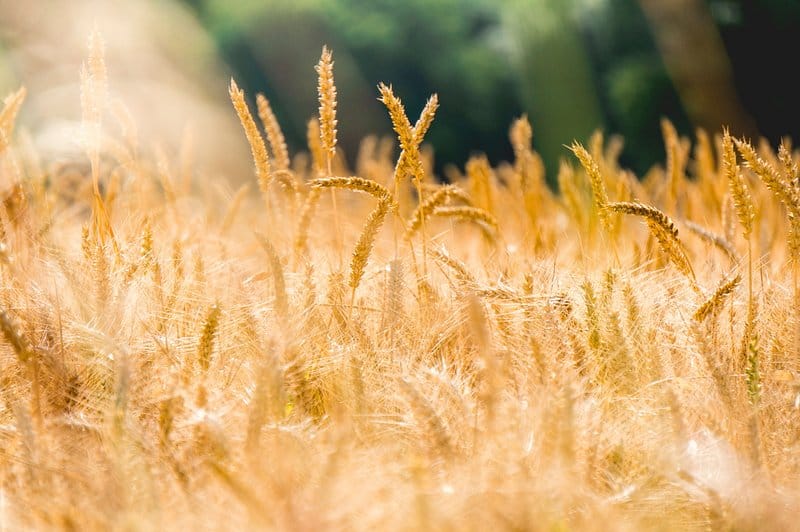
Wheat field under a clear sky

Research & Domestic Production

A longer track: research, agronomy and production systems that can raise Nigeria’s own wheat output from today’s ~60,000 MT baseline.
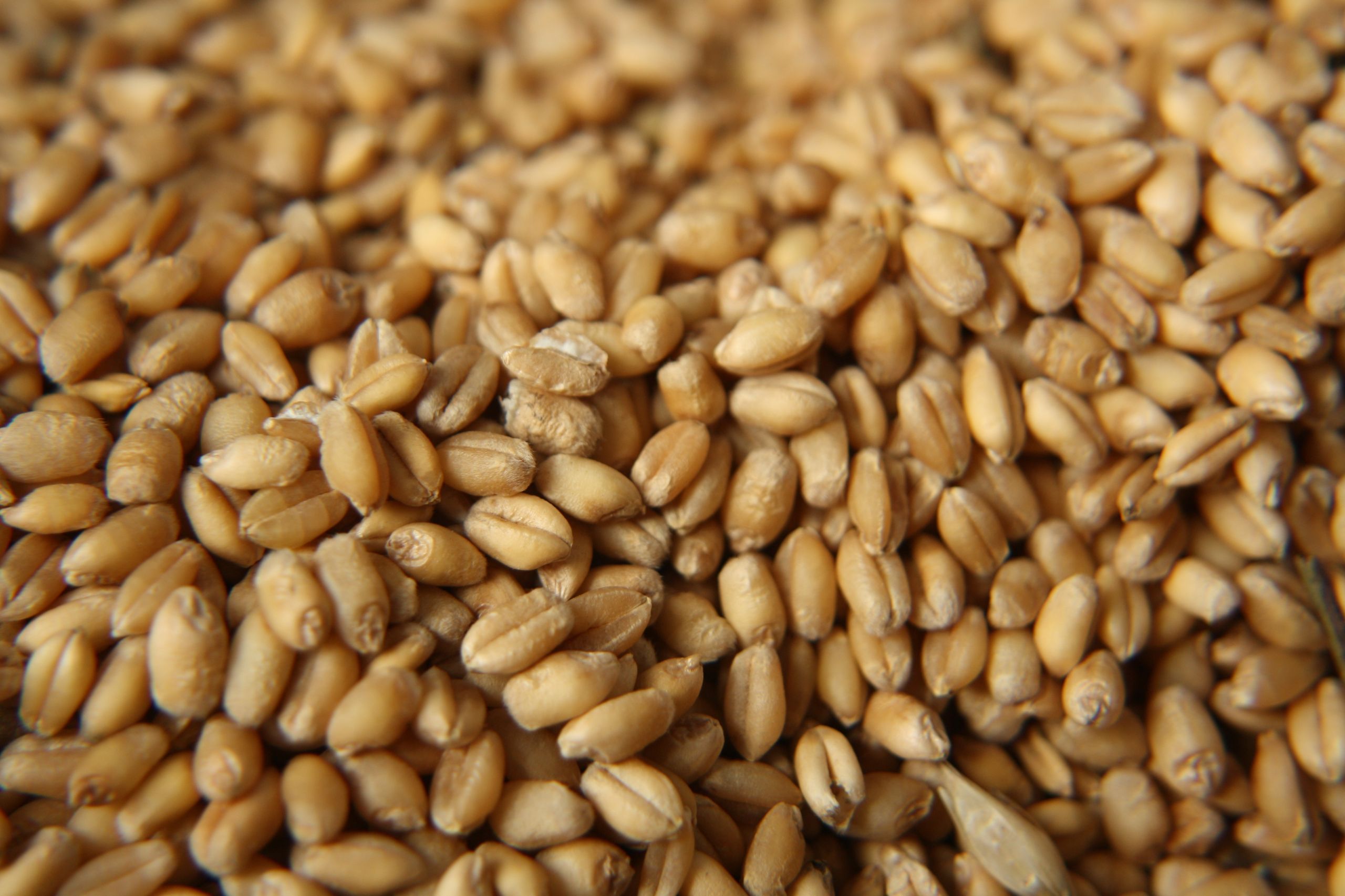
Harvested cereal grain

From import reliance to options

Domestic production will not replace 4.3 million tonnes overnight. The track exists so the country is not without a plan for that horizon.

Key Programme Impact Areas
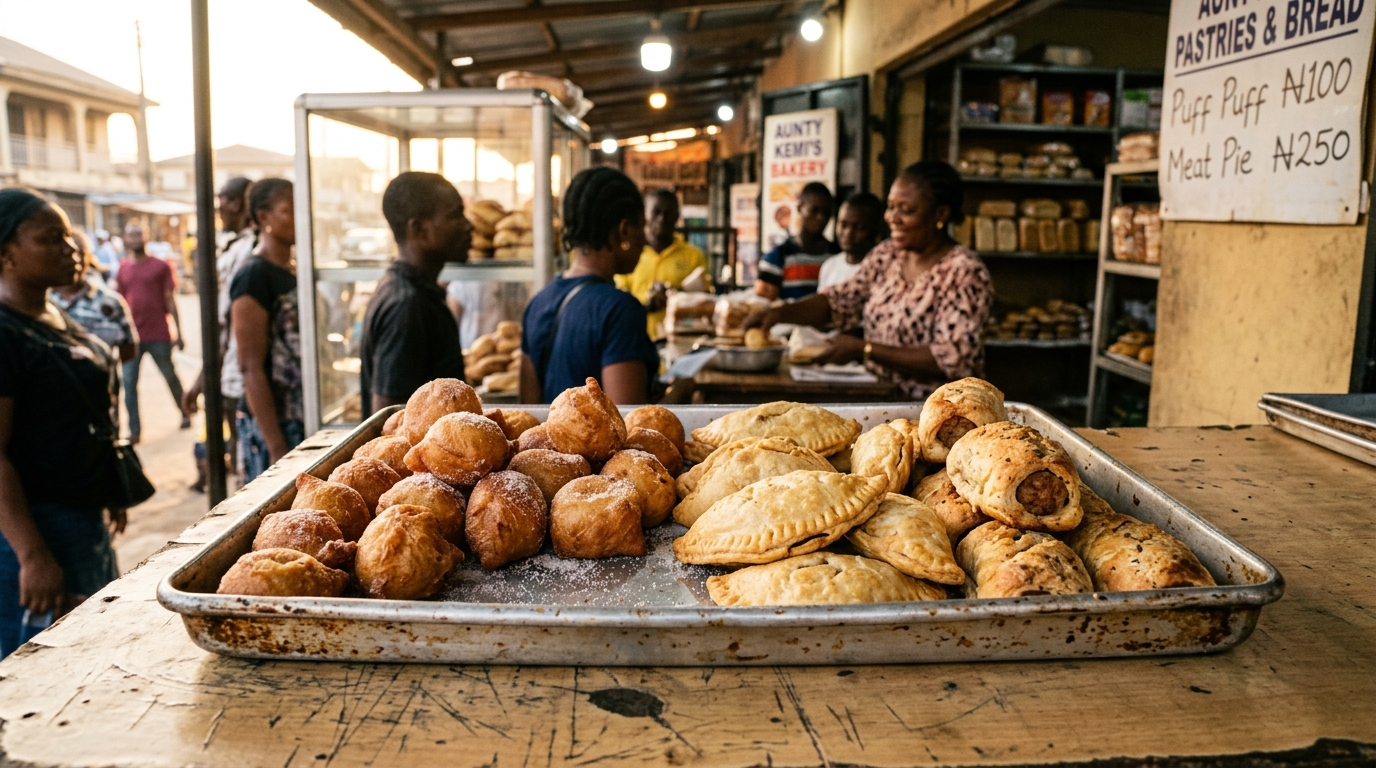
The work will be visible in fields, mills and bakeries.

Close view of ripening wheat ears
Primary production
Roller mill interior
Industrial milling
Hands scoring a loaf
MSME production
Raise milling utilisation
Idle capacity is a cost the country already pays for. Structured offtake is how that capacity is put back to work, raising utilisation to meet national demands efficiently.
Ease the price of wheat foods
Lowering consumer costs is a core target. It is pursued through a more efficient chain, not a permanent subsidy.
Scale the MSME bakery base
A vast majority of baked goods are already made by artisans and SMEs. The programme is designed around that crucial base, rather than just a handful of large brands.
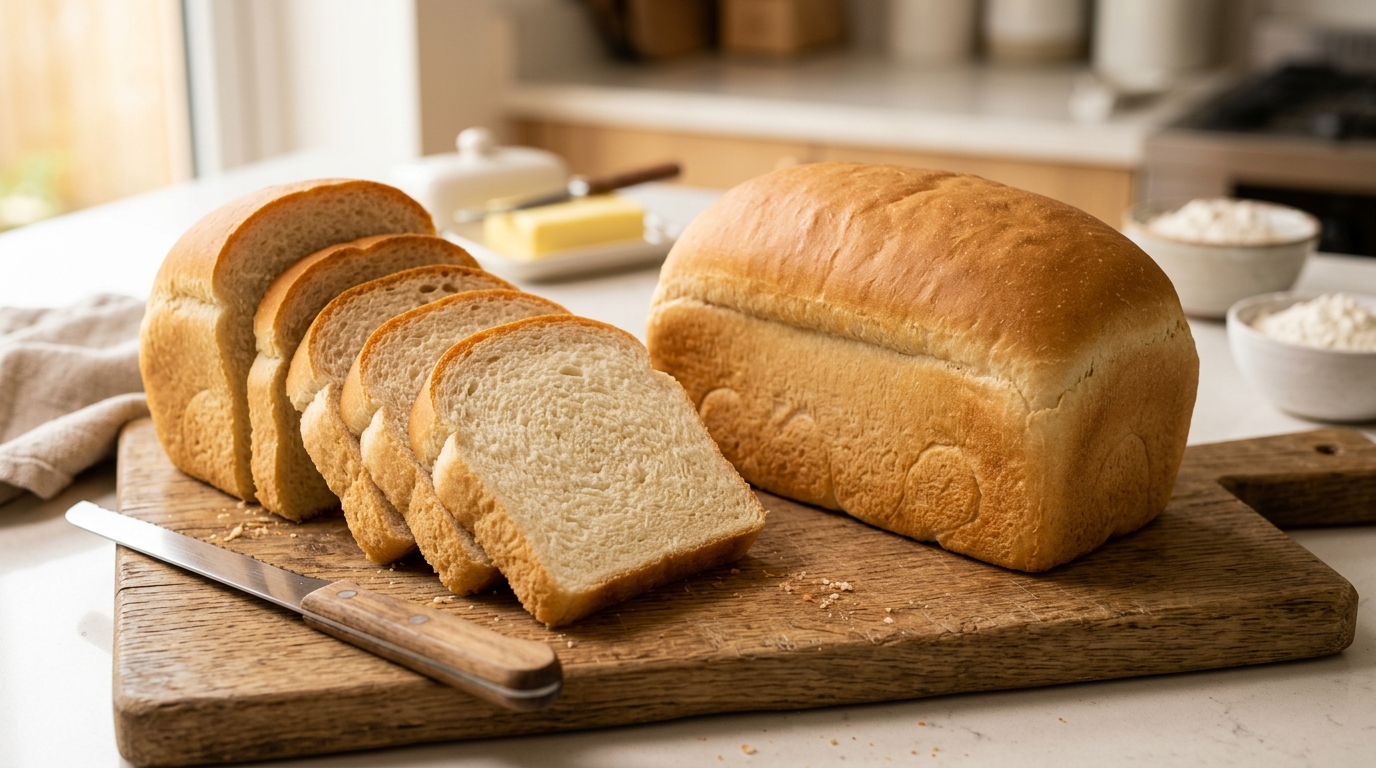
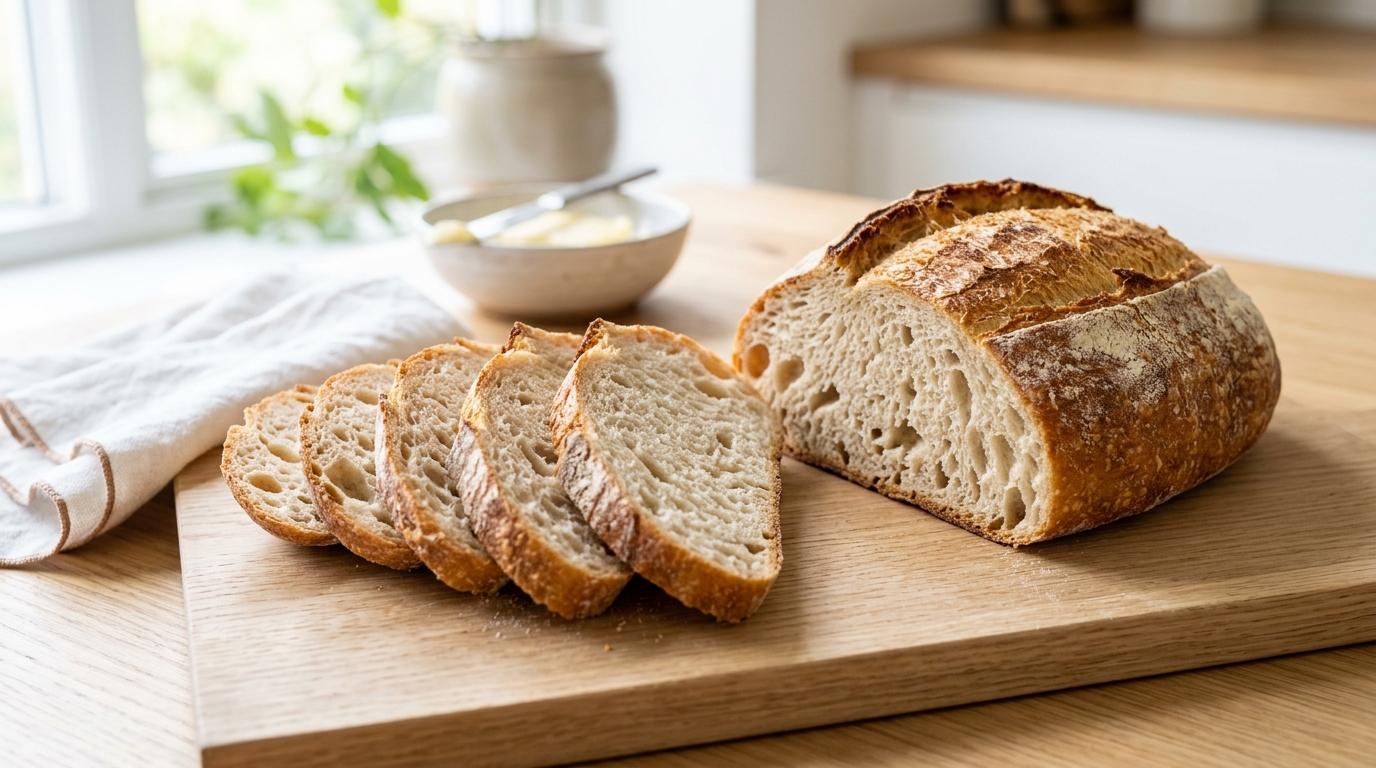
Made in Nigeria bread
Sliced bread

Made-in-Nigeria.

Food that is baked, milled and bought at home. The consumer campaign is not decoration. It is the demand side of the programme a public invitation to choose wheat foods produced in Nigerian mills and MSME bakeries.

Contact

Write to the Programme Delivery Unit.

Official telephone, email and social channels will be published here as soon as they are designated. Until then, this form is the public correspondence channel for Project WHEAT-NESS.

  • Address 2nd Floor, Tower 1, Bank of Industry, Central Business District, Abuja
  • Email info@projectwheatness.gov.ng
  • Phone +234 800 WHEATNESS